EMNLP 2026 Workshop on
Multimodal Interaction in Face-to-Face Dialogue (MINT)
Workshop date TBA (co-located with EMNLP 2026, October 24th-29th, 2026)
EMNLP 2026 in Budapest, Hungary
News
About
MINT: Multimodal Interaction in Face-to-Face Dialogue is a new workshop on modelling, generating, and understanding multimodal verbal and non-verbal behaviour in face-to-face communication.
Human communication is inherently multimodal: meaning is conveyed not only through words and speech, but also through prosody, gesture, facial expression, gaze, and body pose. Yet much multimodal NLP still treats these signals as peripheral context or as outputs generated only after linguistic content has already been decided. MINT addresses this gap by focusing on multimodal interaction as a core part of communication.
The workshop aims to bring together researchers across computational linguistics, NLP, computer vision, cognitive science, HCI, and robotics to study the resources, modelling approaches, processing methods, and evaluation strategies needed for face-to-face dialogue.
We are particularly interested in work that connects insights about human multimodal communication with the development of AI systems that interact with humans or simulate human-like behaviour. This includes research on new datasets, multimodal learning methods, embodied agents, social robots, and evaluation frameworks for naturalistic interaction.
Call for papers
We invite submissions to MINT: Multimodal Interaction in Face-to-Face Dialogue. The workshop brings together researchers from computational linguistics, NLP, computer vision, HCI, robotics, and cognitive science working on multimodal face-to-face communication.
We welcome work on topics including:
- computational models that integrate verbal and non-verbal cues such as speech, text, gesture, facial expression, gaze, and body pose;
- cognitive and linguistic insights about face-to-face communication that can inform AI systems;
- multimodal datasets with synchronised speech, video, and motion data;
- evaluation methods for multimodal interaction;
- applications and tools for embodied conversational agents, social robots, annotation, and behavioural analysis.
We welcome both archival and non-archival contributions. Details on submission routes, formatting, review, and presentation are provided below.
Important dates
Please consult the workshop website and submission portals for the most up-to-date deadlines and timezone details.
| Paper submission deadline | Monday, June 1st, 2026 |
| Reviewing deadline | TBD |
| Author notification | TBD |
| Camera-ready deadline | Saturday, August 1st, 2026 |
Submission information
Submission routes and portals
- ARR commitment route. Authors may submit through the current ACL Rolling Review (ARR) cycle and commit their paper to MINT. Please consult the ARR author guidelines for current procedures and requirements.
- Direct submission route. MINT will also accept direct submissions. This route will have a separate deadline, and its dedicated OpenReview portal will be announced soon.
Papers should be prepared using the official ACL formatting guidelines and the official ACL style files.
Paper categories and length
- Archival papers. Original, unpublished research to appear in the workshop proceedings. These may be submitted as long papers (up to 8 pages plus references) or short papers (up to 4 pages plus references).
- Non-archival papers. Previously published work, preliminary research, or demos to be presented at the workshop.
Anonymization
Archival submissions should be anonymized for double-blind review. Please remove author names, affiliations, acknowledgements, and other identifying information from the manuscript and supplementary material where appropriate.
Review criteria
Each paper will receive three reviews. Archival submissions will be evaluated primarily for originality, technical soundness, completeness, and relevance to the workshop. Non-archival and work-in-progress submissions will be evaluated primarily for relevance to the workshop theme and their potential to stimulate discussion.
Presentation
Accepted contributions will be invited for presentation at the MINT workshop co-located with EMNLP 2026 in Budapest, Hungary. Presentation formats may include posters and selected talks, depending on the final program.
Invited speakers

Judith Holler
Radboud University & Max Planck Institute for Psycholinguistics
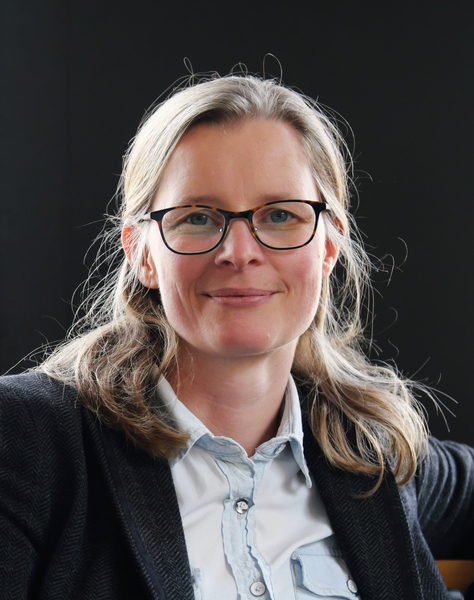
Vera Demberg
Saarland University
Organizers

Raquel Fernández
University of Amsterdam
Diego Frassinelli
LMU Munich

Esam Ghaleb
Max Planck Institute for Psycholinguistics
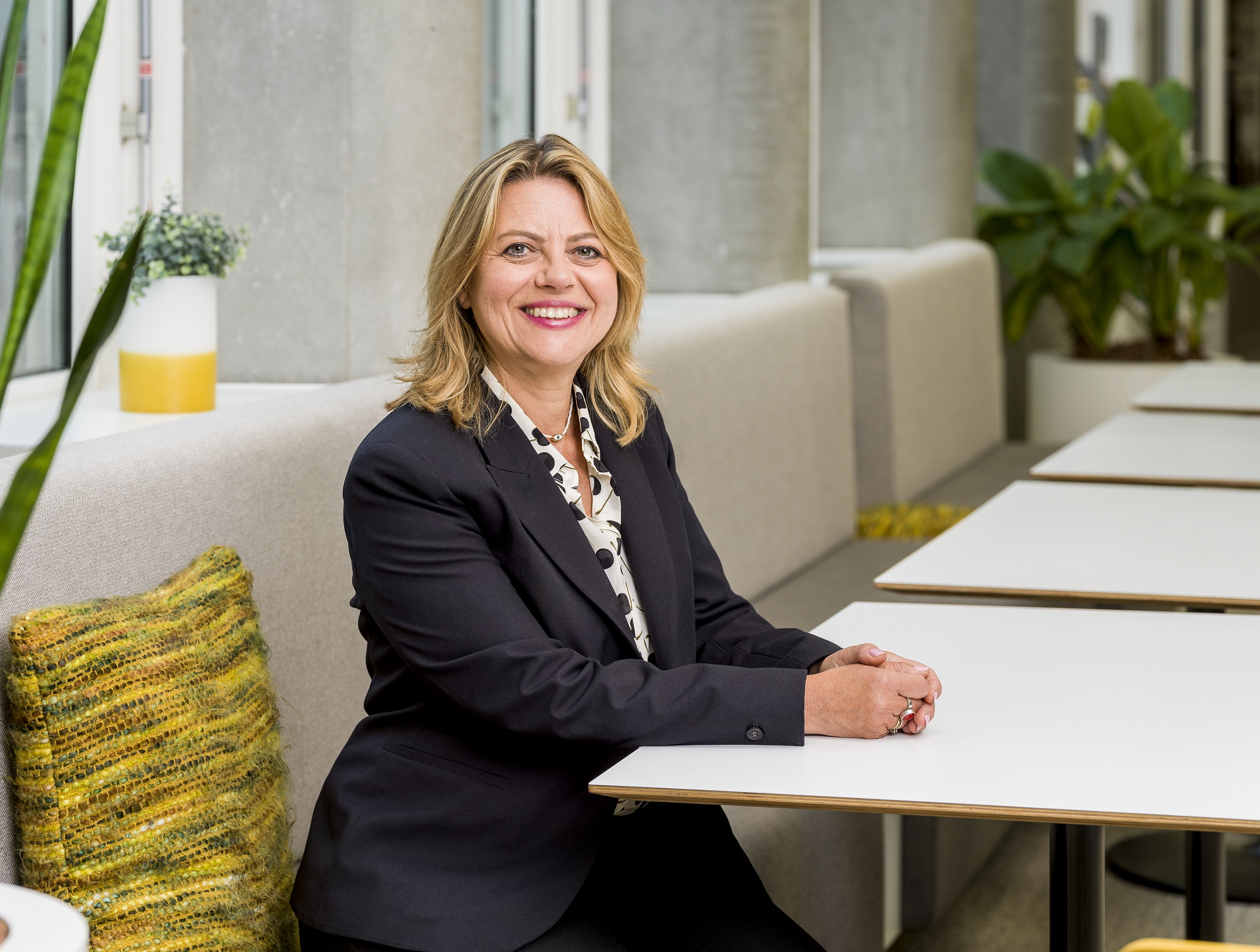
Asli Ozyurek
Max Planck Institute for Psycholinguistics / Radboud University

Bulat Khaertdinov
Maastricht University

Ece Takmaz
Utrecht University

Zerrin Yumak
Utrecht University
Program committee
- Casey Kennington (Boise State University)
- Catherine Pelachaud (Sorbonne University)
- Chinmaya Mishra (Max Planck Institute for Psycholinguistics)
- David Schlangen (University of Potsdam)
- Dirk Heylen (University of Twente)
- Gabriel Skantze (KTH Royal Institute of Technology)
- Hayley Hung (TU Delft)
- Hendrik Buschmeier (Bielefeld University)
- Ilya Burenko (TU Dresden)
- Justine Cassell (INRIA & École Polytechnique)
- Kerstin Fischer (University of Southern Denmark)
- Martijn Vastenburg (Radboud University)
- Pat Healey (Queen Mary University of London)
- Patrizia Paggio (University of Malta)
- Petra Wagner (Bielefeld University)
- Rachel McDonnell (Trinity College Dublin)
- Rada Mihalcea (University of Michigan)
- Ruben Janssens (Ghent University)
- Stefan Kopp (Bielefeld University)
- Taras Kucherenko (Electronic Arts)
Sponsor
We thank the Multimodal Language Department (MLD) at Max Planck Institute for Psycholinguistics, for sponsoring this workshop.